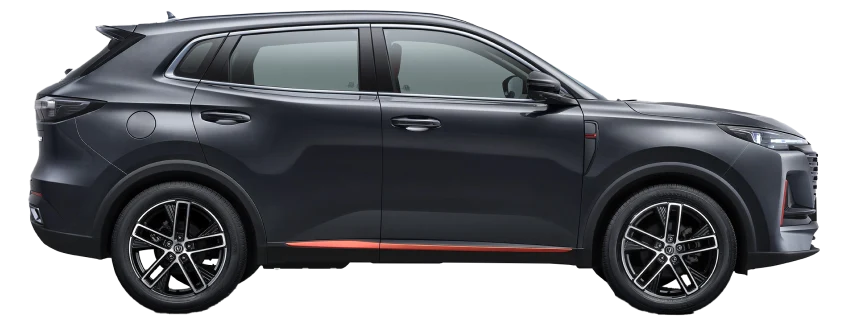
Start with the body generation, not the registration year
Registration year alone may not identify the correct body specification. Obtain production details, original model wording and clear views of the vehicle. A facelift can alter visible parts, but a similar appearance is not proof that every mounting or connector remains unchanged. Keep original CS55 and PLUS records separate.
The original-versus-PLUS guide explains the family distinction. Use that information before asking suppliers to price a panel or lamp. A mixed-generation buying batch can otherwise accumulate incorrect replacement assumptions that become difficult to resolve after the cars reach the destination.
Document the damaged or missing component
Request location photographs, available part markings and a workshop description of what needs replacement. Ask whether adjacent brackets, fasteners, wiring or other items are also affected. A quotation for one visible outer piece may not describe the complete repair scope.
Where access or removal is required, have competent personnel handle the work appropriately. Do not ask the seller to dismantle safety-related equipment casually for a photograph. The goal is sufficient evidence for matching and repair planning, with any inspection limitations made explicit.
Treat lamps and sensor-equipped parts carefully
A headlamp or bumper assembly can differ in equipment and connections despite looking similar in a marketplace image. Ask the supplier to identify the application and any configuration or calibration requirements. Do not promise compatibility because the advertised model list includes CS55.
The equipment verification guide addresses functional differences more broadly. For repair purposes, identify what the candidate actually has and what the proposed replacement supports. A physically fitted part does not by itself establish that all associated functions work as intended.
Evaluate the repair behind the appearance
A replacement bumper, lamp or panel can be part of an ordinary repair, but the visible part alone does not establish the extent or quality of earlier damage. Request the available repair record and an appropriate inspection of affected areas. Keep structural and alignment concerns with qualified assessors.
Use the condition inspection checklist to distinguish cosmetic findings from issues needing deeper assessment. Avoid both assumptions: a new-looking panel is not proof of a serious accident, and attractive paint is not proof that every underlying concern has been resolved.
Clarify original, alternative and used part descriptions
Ask exactly what type of replacement is proposed, including manufacturer or supplier description, condition and identifiers. If a supplier offers an alternative number or revised part, request the stated compatibility and any associated work. Do not substitute vague labels such as quality replacement for the information a workshop needs to assess the proposal.
Keep the choice visible in the preparation agreement. A dealer may accept a documented alternative in one case and require a particular component in another. The important point is that the actual supply matches the agreed repair scope and customer requirements.
Price the complete repair and verification
A useful estimate distinguishes the component, fitting materials, labour, finish work and any required functional checks. Ask which items remain provisional until inspection or disassembly by qualified personnel. A cheap outer-panel price should not be presented as the confirmed total cost of restoring the vehicle.
The parts and service planning guide helps establish a destination support route. If repair is agreed before export, request evidence of the installed parts and completed checks. If work will occur after arrival, make the outstanding scope clear in the offer and handover record.
When a visually similar headlamp is not enough
Suppose a supplier sends a photograph of a lamp whose outline resembles the damaged unit. Before ordering, request its identifier and application, then have the workshop confirm relevant equipment and connections. The correct question is whether that exact item suits the vehicle and repair scope. A similar lens shape cannot answer it. If the supplier cannot establish the match, keep the proposal provisional rather than treating the photograph as approval to proceed with an uncertain repair.
Keep a matching record for future requests
Retain vehicle identity, component identifiers, supplier confirmation and photographs of the final repair. Reuse that record only for the verified application; a different generation or equipment level requires renewed matching. This can save time without turning one successful order into a universal interchangeability claim.
In a Panda enquiry, state whether cosmetic preparation is required before delivery and identify any unacceptable repair history. Ask for a clear account of existing repairs and proposed replacements. The buyer can then judge the car’s condition and preparation on evidence rather than on a reassuring exterior photograph alone.