
| Buying situation | Useful next decision |
|---|---|
| Scopes and responsibilities are complete | Compare equivalent supported amounts |
| Named ports or services differ | Obtain the missing route estimates |
| Handover does not fit the term | Review the agreed arrangement |
Ask for the complete term and actual transport arrangement
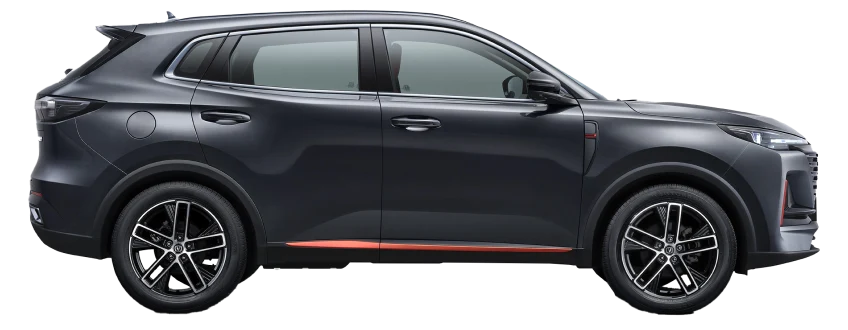
Record the named port, agreed Incoterms edition, currency, validity and selected vehicle. ICC’s official rules are the primary reference for their responsibilities. FOB and CIF concern sea and inland-waterway transport; do not describe them as arbitrary door-to-door labels. The CS55 export guide supplies the route context. Have qualified providers explain the actual handover and whether the proposed term fits it. For containerised movements, discuss an appropriate arrangement rather than assuming FOB suits every car that eventually travels by ship. Keep the agreed transport proposition attached to the candidate instead of comparing incomplete abbreviations from unrelated quotations.
Separate carriage cost from the point of risk transfer
Under the applicable FOB or CIF rule, confirm which party arranges and pays relevant carriage and where risk transfers. CIF includes arranging carriage and the rule’s insurance obligation to the named destination, but paying freight there does not automatically leave every transit risk with the seller until arrival. Ask appropriate providers to explain the agreed application. Do not use a destination-paid total as proof of universal all-risk cover or every unloading responsibility. Review the actual insurance proposal separately. Keep cost allocation, risk transfer and vehicle-condition acceptance distinct; they are connected purchasing questions without becoming one interchangeable assurance that the whole transaction is protected.
List the vehicle and origin scope explicitly
Ask whether each offer includes the selected car, inspection, defined preparation, inland movement and relevant export and origin services. The equipment and preparation schedule makes the vehicle proposition clear. Review actual rule obligations and provider scope rather than inferring every charge from the abbreviation alone. A prepared high-trim PLUS and an original CS55 awaiting work are not equal vehicle offers simply because both use FOB. Keep powertrain, condition and supplied items identifiable. Do not hide unresolved necessary correction in an apparent freight saving. Any excluded service needs an appropriate amount or visible unresolved status before the offers can produce a useful equivalent comparison.
Obtain relevant receiving estimates for the actual route
Ask responsible destination providers about applicable clearance, terminal, delivery and other receiving scope for the selected vehicle and movement. Identify what is quoted, estimated, conditional or excluded. The route comparison keeps those responsibilities with the buying decision. Do not invent a universal tax rate or assume CIF removes every destination charge. Eligibility and current procedures need vehicle- and destination-specific review. Retain validity and dependencies such as missing documents or changed ports. A receiving estimate can be useful without guaranteeing every final amount. The buyer should understand which provider supplied each input rather than view a made-up landed total as a fixed all-inclusive promise.
Review the actual insurance arrangement
Request the relevant insurer or authorised provider, issued record, insured interest, movement, value basis and conditions. Ask suitable providers to explain exclusions, participation and the claims process for this actual arrangement. Do not treat carrier liability as interchangeable with the buyer’s requested cargo cover. The release condition record helps preserve relevant starting evidence without expanding a policy’s terms. Keep notice and evidence requirements with the responsible provider instead of inventing universal deadlines. A purchase quote using CIF cannot establish that every later mechanical concern qualifies as transport damage or that the seller must refund the complete vehicle amount after any incident.
Calculate an equivalent amount without duplicate services
Align currencies using an explicitly dated supported basis where conversion is needed. Add only missing scope to each offer, retaining actual provider quotations and unresolved costs. The complete quotation worksheet prevents freight being counted twice when already included. Keep extra requested insurance separate from the cover actually supplied. A different named port may change onward movement, so do not compare headline amounts as if the delivery tasks are equal. Identify which supported complete arrangement fits the buyer. Where essential inputs remain unknown, preserve the comparison as incomplete rather than declare a winner through an optimistic fixed allowance.
Keep the remaining agreement questions visible
Record vehicle identity, acceptance conditions, payment route, document responsibilities, changes and applicable remedies through the actual agreement with suitable professional advice. Incoterms do not automatically settle every one of those matters. The seller authority review remains separate from transport planning. If vehicle, route, provider or port changes, review affected costs and obligations. Choose a suitable arrangement with adequate capability and clear scope rather than expecting a familiar abbreviation to guarantee the whole purchase. The receiving dealer should know what has been agreed and what remains conditional, without presenting either FOB or CIF as universally cheaper, safer or comprehensive for every CS55 transaction.
Before choosing this offer
- Named port and edition recorded
- Actual handover reviewed
- Cost and risk distinguished
- Receiving estimates scoped
- Equivalent services totalled
Buyer questions
Does CIF mean every risk stays with the seller until arrival?
No. Review the applicable rule’s risk transfer separately from carriage and insurance obligations.
Is FOB always suitable for a containerised CS55?
Ask qualified providers about the actual handover and appropriate term. ICC explains why FCA can be relevant to container arrangements.
Reference notes
Use the matching model, year and market when consulting these references. Confirm the offered vehicle’s configuration with its documents and inspection.