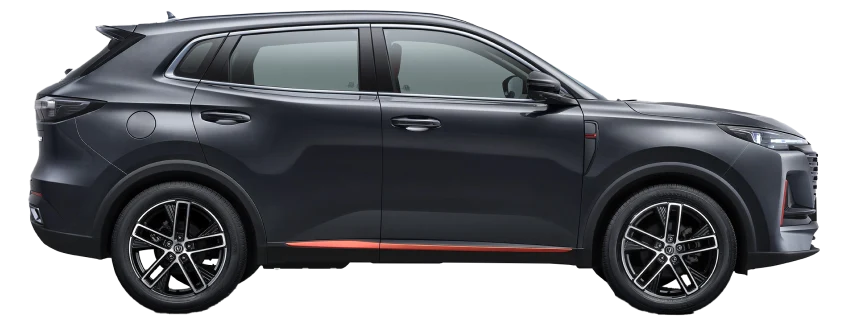
Agree the vehicle identity before the filming list
Ask for the candidate reference, original version description and appropriate identity evidence. The seller should explain how the video corresponds to the vehicle in the offer. A generic walkaround of the same model is reference material, not inspection evidence for the car under discussion.
Use the vehicle record checklist to organise the information. Preserve the original files and dates when supplied. If a replacement car is proposed, obtain its own evidence rather than relying on clips collected for an earlier candidate with a similar colour or trim.
Request a coherent exterior sequence
A useful walkaround shows the whole car and then relevant details, with sufficient lighting and context to locate any marks. Ask for still photographs where video compression makes a finding difficult to assess. Avoid treating quick camera movement, music or promotional editing as evidence of good condition.
The request should be practical and respectful of the people filming. Explain which areas matter and why. If the seller cannot show an area clearly, record it as needing inspection rather than assuming the absence of visible damage proves the area has been checked.
Demonstrate the cabin features the buyer requires
Ask for ordinary operation of essential controls, seat adjustments, climate functions and the relevant screen settings. A continuous demonstration can be more useful than isolated screenshots, particularly where language or phone functions affect acceptance. Identify which features were actually tested and which remain unverified.
The cabin-function guide helps turn broad expectations into specific requests. Do not ask for personal account passwords or unrelated private information. Legitimate account removal or transfer arrangements should be discussed separately through suitable channels rather than exposed in a shared inspection video.
Use operational clips within clear limits
A start-up or driving clip may document a sound, warning or reported behaviour, but it cannot certify the complete mechanical condition. Ask who performed the check, under what conditions and what the written inspection found. Do not request unsafe driving or have someone handle a phone while driving to satisfy the filming list.
If a concern is repeatable, ask a competent inspector to document and diagnose it appropriately. The physical inspection checklist remains the broader acceptance tool. A smooth-looking short video should not overrule unresolved findings in the actual report.
Connect every concern to a follow-up question
When a clip shows a mark, missing item or unusual behaviour, identify the time and location and ask for clarification. Keep the response with the original observation. A useful remote review produces a list of resolved and unresolved points, not an argument about whether a low-resolution image looks perfect.
Avoid diagnosing structural damage or a failed component from visual appearance alone. Request the assessment needed to establish the issue. Equally, do not remove a concern solely because a later video uses a different camera angle. Evidence should explain the finding rather than simply make it less visible.
Protect the decision from candidate changes
Keep a single reference linking the quotation, vehicle records, inspection report and videos. If the seller substitutes a car, pause the comparison and obtain the replacement’s own material. Prior evidence does not transfer with a new price or a repeated model description.
For several vehicles, maintain individual folders and clearly identified batch summaries. The dealer-batch guide explains the broader ordering structure. Sample footage may show a process, but it should not be used to claim that every car received the same inspection or has the same condition.
Ask for clarification instead of another promotional clip
If the first video leaves a specific concern unresolved, point to the relevant moment and ask for a clearer view or appropriate inspection finding. Repeating the entire walkaround with better music adds little. A focused follow-up might establish whether a missing item is included separately or whether a visible mark needs assessment. Keep the answer linked to the original question. This disciplined review is more efficient for the seller and buyer than accumulating many clips without deciding what each one establishes.
Turn the video review into an acceptance record
List the confirmed specification, demonstrated functions, observed condition and remaining checks. State what must be resolved by a qualified inspector and what the buyer has accepted as a disclosed limitation. Commercial commitments should refer to the identified vehicle and agreed evidence rather than to a collection of informal clips.
Send Panda the destination, accepted years, condition preference and your essential remote-review requirements. Request original files where useful and a written report for the final candidate. The result should reduce uncertainty and guide proper inspection, while remaining honest about what remote images and video cannot establish.