| Buying situation | Useful next decision |
|---|---|
| Needed view works and is supported | Compare the useful complete premium |
| Claimed view is absent or unclear | Resolve the required function |
| Vehicle access itself is unsuitable | Consider a suitable alternative |
Define the parking inconvenience before choosing equipment
Describe the customer’s regular bay, approach and manoeuvre. Ask which view would help them assess the surroundings under ordinary safe conditions. The CS55 practical-use guide provides the starting task. A camera cannot make an inadequate clearance or unsuitable access arrangement acceptable by itself. Keep door opening and passenger exit separate from the view on the screen. Identify the original CS55 or PLUS generation before assuming a current package applies. If the customer mainly needs one usable rear view, establish that requirement before assigning value to a bundle of functions they may never use.
Verify the actual fitted views and provenance
Request the factory equipment record and a description of any changed screen, cameras or controls. The cabin equipment review distinguishes original presence from current operation. A dashboard menu can advertise a function that is unavailable, partially fitted or dependent on a changed system. Ask the provider to demonstrate the claimed normal views on the selected car. Do not copy an overseas high-trim camera description into another market’s older candidate. Where the equipment was added later, assess that arrangement on its own integration and support evidence rather than presenting the installation as verified factory specification.
Assess the image in relevant ordinary circumstances
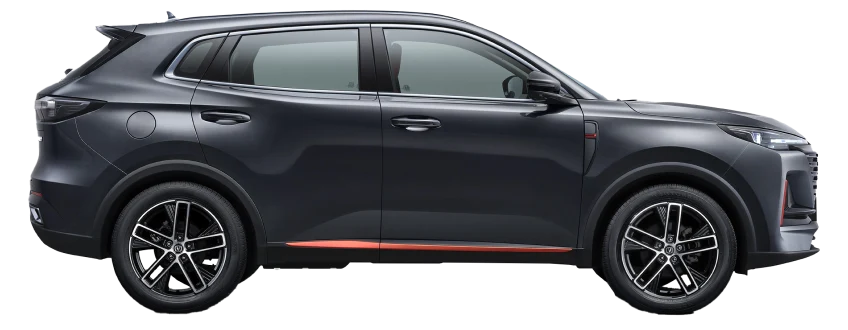
Have the appropriate provider show the normal display, permitted activation and the views that matter while following the applicable instructions. Consider clarity, obvious interruption and relevant operating limitations without improvising unsafe traffic tests. The video assessment guide helps request useful evidence when the buyer is remote. A promotional composite image does not demonstrate actual lens condition or the selected screen. Avoid promises that a camera identifies every obstacle, replaces mirrors or removes driver responsibility. Record the demonstrated scope, including circumstances unavailable for examination. If a required result remains uncertain, request clarification rather than describing the whole package as fully tested.
Investigate condition and body-work context
Ask the appropriate inspector about damaged or changed relevant components and disclosed work that could affect the arrangement. The body and component matching guide matters where lamps, mirrors, panels or sensor-equipped parts differ. A tidy repair image cannot establish all required alignment, connection or professional procedures. Request applicable completion evidence where needed and identify any continuing warning or missing view. Do not diagnose from a single screen photograph or assume every replacement part is unsuitable. The buyer needs the actual fitted identities and a supported assessment of concerns that affect the desired normal use.
Confirm support for the useful function after arrival
Have the receiving provider identify compatible components, relevant procedures and applicable instructions for this arrangement. A generic display-repair promise is different from support for the camera system in the actual generation. Keep screen language and phone projection separate through their existing dedicated guides; neither proves the required parking view. Clarify any online or regional dependency with its responsible provider. The local support review helps organise the enquiry. If correction is required, obtain a defined proposal and retest boundary. An assurance that parts can be sourced should not become a fixed complete repair amount before integration and labour have been assessed.
Judge the remaining premium with a useful alternative
Compare equivalent dated complete offers and supported preparation. The equipment-value guide prevents the same bundled amount being attributed independently to camera, roof and unrelated trim features. If a simpler satisfactory car provides the essential view and better condition evidence, its offer deserves consideration. If the equipped car solves a meaningful parking task with adequate support, record that benefit. Do not infer a premium from original retail expenditure alone. A package with more displayed angles can still be a poor purchase where the useful view is unavailable or the car fails the customer’s basic access requirements.
Keep the accepted camera result with the vehicle
List fitted views, provenance, observed normal result, relevant completed work and limitations in the purchase schedule. The receiving dealer should describe demonstrated functions accurately, without an all-conditions claim. A substitute car requires its own relevant review even when its trim name matches. Select the supported useful arrangement, a simpler acceptable alternative or request more evidence where an essential function remains unresolved. Keep the camera preference inside the complete vehicle decision. A parking aid cannot certify body condition, make every garage suitable or guarantee collision prevention, and its value depends on the customer’s actual task rather than a screen-size ranking.
Before choosing this offer
- Regular parking task defined
- Fitted views demonstrated
- Original and changed systems distinguished
- Relevant work and support assessed
- Complete equipment premium compared
Buyer questions
Does a large screen establish a panoramic camera package?
No. Confirm the fitted views and their actual normal operation on the selected car.
Can cameras replace driver observation?
Follow the applicable instructions and maintain the driver’s responsibilities. Do not promise detection of every obstacle.